
What is STP and How to solve STP?
In the context of Huawei radio networks, an STP (Stability Test Report) or simply a Radio Network Stability Test is a critical validation process conducted during site commissioning, integration, or optimization to ensure that the radio network, including Base Transceiver Stations (BTS/NodeB/eNodeB/gNodeB), operates reliably over a sustained period under live or simulated traffic conditions.
Core Components of a Huawei Radio Stability Test
The Stability Test Report typically covers the following areas to verify that the network does not suffer from unexpected interruptions:
- Network Elements (NEs) Stability: Verification that the base station hardware and software remain stable without spontaneous reboots or unexpected shutdowns.
- Link Stability: Ensuring that Transmission (TX) links (e.g., CPRI, Ethernet) between baseband units (BBU) and radio units (RRU/RFU) do not flap or experience high error rates.
- Call/Session Stability: Testing for high success rates in call setup, session establishment, and low drop rates over 24-48 hours.
- Alarm Monitoring: Reviewing the system to ensure no critical or major alarms (e.g., VSWR, CPRI error, High CPU) are active during the test period.
- Performance Metrics (KPIs): Evaluation of key performance indicators such as User Throughput, Cell Utilization, and Congestion Rates.
Typical Test Procedure (Steps)
- Preparation: Check that all site hardware is installed, configured, and powered, and that no initial alarms are present.
- Traffic Loading: Generate simulated traffic (using test UEs or loading tools) or monitor live traffic to stress the base station.
- Stability Monitoring: Observe the site for a specific duration (e.g., 24 hours) to ensure no unexpected, automatic reboots or service degradations occur.
- Data Collection & Reporting: Extract the stability report, which includes alarm logs, cell status, and resource utilization, to confirm stability.
Key Areas of Focus
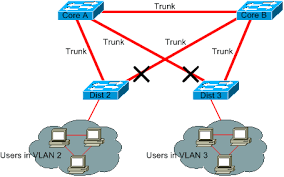
- Spanning Tree Protocol (STP) on Transmission: While STP often refers to Spanning Tree Protocol, in Huawei radio network contexts, “stability” also implies proper configuration of Ethernet links to prevent loops, which can disrupt radio services.
- Automatic Gain Control (AGC) & Interference: Monitoring that the radio automatically adjusts to interference without compromising user experience.
- Cell Availability: Ensuring 100% availability during the testing period.
If a site fails the stability test (e.g., frequent resets), it often indicates a need to check power supply, transmission, or to upgrade the base station software version.